Yes No Tarot: Get an Instant Answer
Ask one clear question, choose a card, and read the verdict. All 78 cards, upright and reversed, with the reasoning written out instead of left as a mood.
One clear question, asked once. Tap a card, or press Enter.
How to ask a question the deck can answer
Not this question
Which answer were you hoping for?
Want context? Use a three-card spread, read how the verdict works, or keep your readings.
Seven cards, face down. Pick one.
How to ask a question the deck can answer
Most disappointing yes no tarot readings start with badly formed questions. The deck is a mirror for decisions, not a search engine for facts, so the wording decides whether the answer is useful.
Ask about a decision, not someone else's private mind
"Does he love me?" asks you to guess at another person's interior. "Should I tell him how I feel?" asks what you should do next, which is answerable and actionable. If a question starts with "does she think", "will they" or "is he", rewrite it around your own move.
Keep it to one question
"Should I take the job and move cities and end the relationship?" contains three decisions and will produce a muddled answer. Split it. Ask about the job first, then the move, then the relationship. One card answers one question.
Be willing to hear no
If only a yes will satisfy you, the reading is not a reading; it is a request for permission. The useful question is one where both answers would change what you do. That is also the question you can act on afterwards.
What yes, no and maybe mean in a yes no tarot reading
In a yes no tarot reading, three answers do three different jobs. A yes asks for a step, a no asks for a change, and a maybe asks for information you do not have yet.
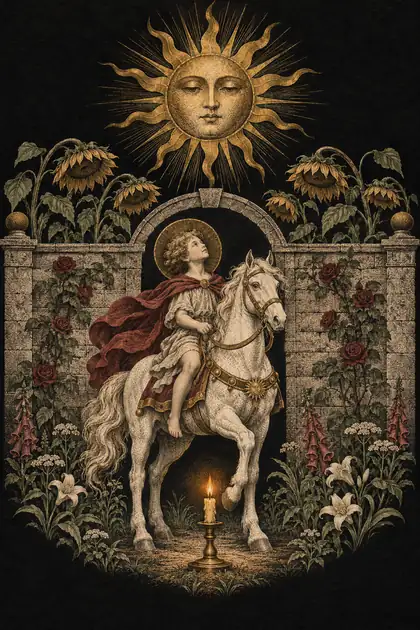
The card favours the action. It does not promise the outcome you have imagined, only that the direction is supported. Yes cards still ask for the practical step: the application, the message, the deposit, the conversation.
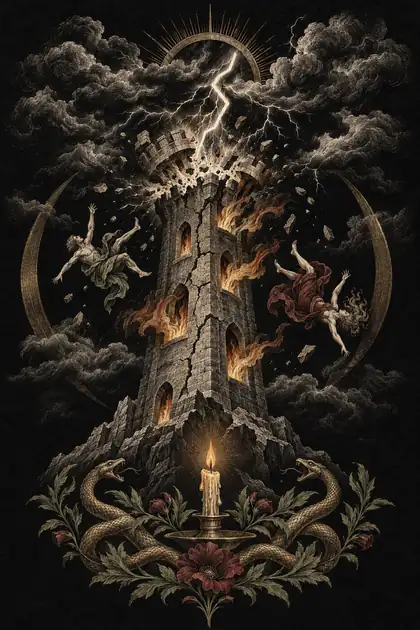
The card does not favour the action as framed. Sometimes the situation is closed; more often the current approach is the problem. Read the card text for which one applies, then change the approach or accept the answer.

The outcome depends on a named condition. A maybe is not the deck being coy; it is the deck saying the result is not fixed yet. The condition is printed on the card page, and it is usually something you can do this week.
Often: Wheel of Fortune, The High Priestess, Two of Swords.
Reversed does not flip the answer. It keeps the verdict and changes the timing, strength or conditions around it. A reversed yes is still a yes, arriving later or with more friction.
A yes no tarot reading gives one of three answers — yes, no, or maybe — and a reversed card changes the timing and strength of the answer, not the answer itself.
All 78 yes no tarot cards, with their lean
Every card has a default verdict, a strength from 1 to 3, and a condition where the answer depends on something you control. Each name opens the full reading.
 The Fool, yes
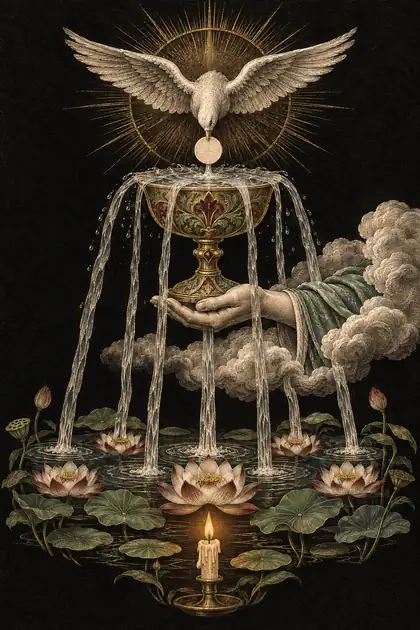 Ace of Cups, yes
 Three of Swords, no
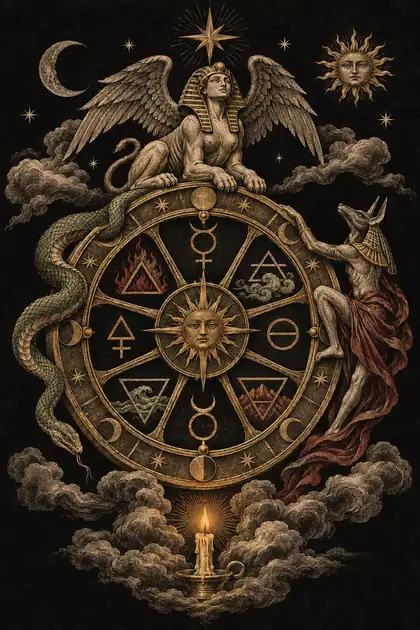 Wheel of Fortune, maybe
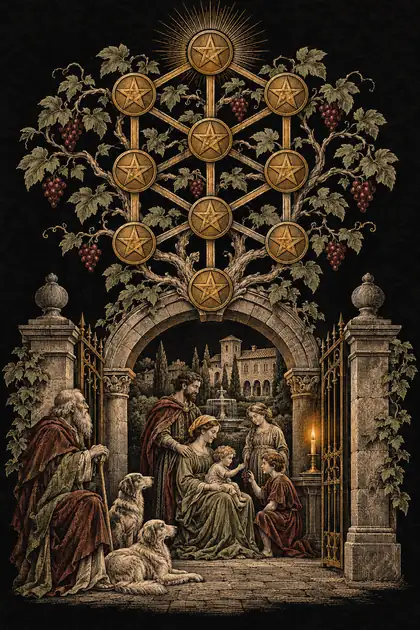 Ten of Pentacles, yes
 The Star, yes
Choose a yes no tarot spread when one answer is not enough
More cards do not make a reading more accurate. They make it more specific. If you cannot say what the first card meant, adding six more will not help.
One card
The fastest verdict. Best for a closed question you can answer with a step this week.
Read the one card spread →Three cards
Situation, obstacle, direction. The workhorse spread when the question has history.
Read the three card spread →Seven cards
For decisions with money, timing and other people in them. Slower, and worth the room.
Read the seven card spread →How accurate is a yes no tarot reading?
A yes no tarot reading has not been shown to predict events better than chance, and this site does not claim otherwise. What a reading can do is externalise a decision.
The card gives you a fixed image to argue with, which is often more useful than another night of mental looping. That is a reflective benefit, not a predictive one.
The verdicts on this site are editorial judgments, not revelations. Each one is assigned from the card's traditional meaning, its position in the suit and the way the imagery resolves, then written down so you can disagree with the reasoning instead of guessing at it.
Verdicts across the 78 card deck
A card does not decide anything. It gives you one fixed image to argue with.
The rule behind every verdict on this site
Start from your kind of yes no tarot question
The same card can mean different things in love, work and money. These guides show how to phrase the question and which cards carry the most weight.
Love and relationships
Attraction, commitment and exes, phrased so the answer can guide a move.
Career and work
Interviews, offers, difficult managers and the job you are not sure you want.
Money and finance
Spending, saving and negotiations, with a line between reflection and advice.
Health and wellbeing
Energy, habits and recovery. Never a diagnosis, always a prompt to get one.
Big decisions
Two good options, one move, no obvious answer. How to make the question smaller.
Timing
When to act, not when the universe will deliver. What card timing can and cannot say.
Questions
Yes no tarot: frequently asked questions
The short answers to the questions that come up before a first draw.
Is this yes no tarot reading really free?
Yes. The deck, the 78 card meanings and every reading are free, with no account, no email and no limit on how many times you draw. There is no paid tier.
Do I need to know tarot to use it?
No. Decide your question, choose one of the three face-down cards, and read the answer in plain English. Card pages explain the imagery and the reasoning if you want to go further.
What does a reversed card mean in a yes no reading?
A reversed card does not turn a yes into a no. It keeps the verdict and changes the timing, strength or conditions around it, so a yes may arrive later or with more friction.
How does the tool choose a card?
Each draw selects one card at random from the full 78 card deck and flips a separate 50/50 for upright or reversed. Nothing about you, your question or your history is stored.
Should I ask the same question twice?
Ask once, then act on what you drew. Repeating a question until you get the answer you want turns a reading into a slot machine; if the first answer was unclear, rewrite the question instead.
Can yes no tarot predict the future?
No. Tarot is a reflective tool, not a prediction system, and there is no reliable evidence that it forecasts events. Use it to clarify what you already think and what you are avoiding.
What if the answer is maybe?
A maybe means the outcome depends on something you control: a condition, a conversation or a piece of missing information. The card page names that condition so you can act on it.
Can I use it for someone else?
You can, but keep the question about what you can do. "Will he come back?" is not answerable; "Should I reach out?" is. Readings about other people tend to reflect your own hope or fear.
How is this different from a three card spread?
A single card gives one verdict. A three card spread adds context, usually past, present and direction. The seven card spread is for decisions with several moving parts.
Is there a best time to ask?
Ask when you can think clearly and will act on the answer. Late at night, mid-panic or after three drinks are poor conditions for any decision, tarot included.